How To Use Labels To Boost Retail Sales
In the competitive retail landscape, small businesses must leverage every available tool to capture consumer attention and drive conversions. Digital marketing often dominates the conversation, but physical touchpoints remain critical. One powerful asset is product labeling. Understanding how to use labels to boost retail sales can transform a simple price tag or product sticker into a persuasive marketing instrument that enhances brand value and encourages purchase decisions.
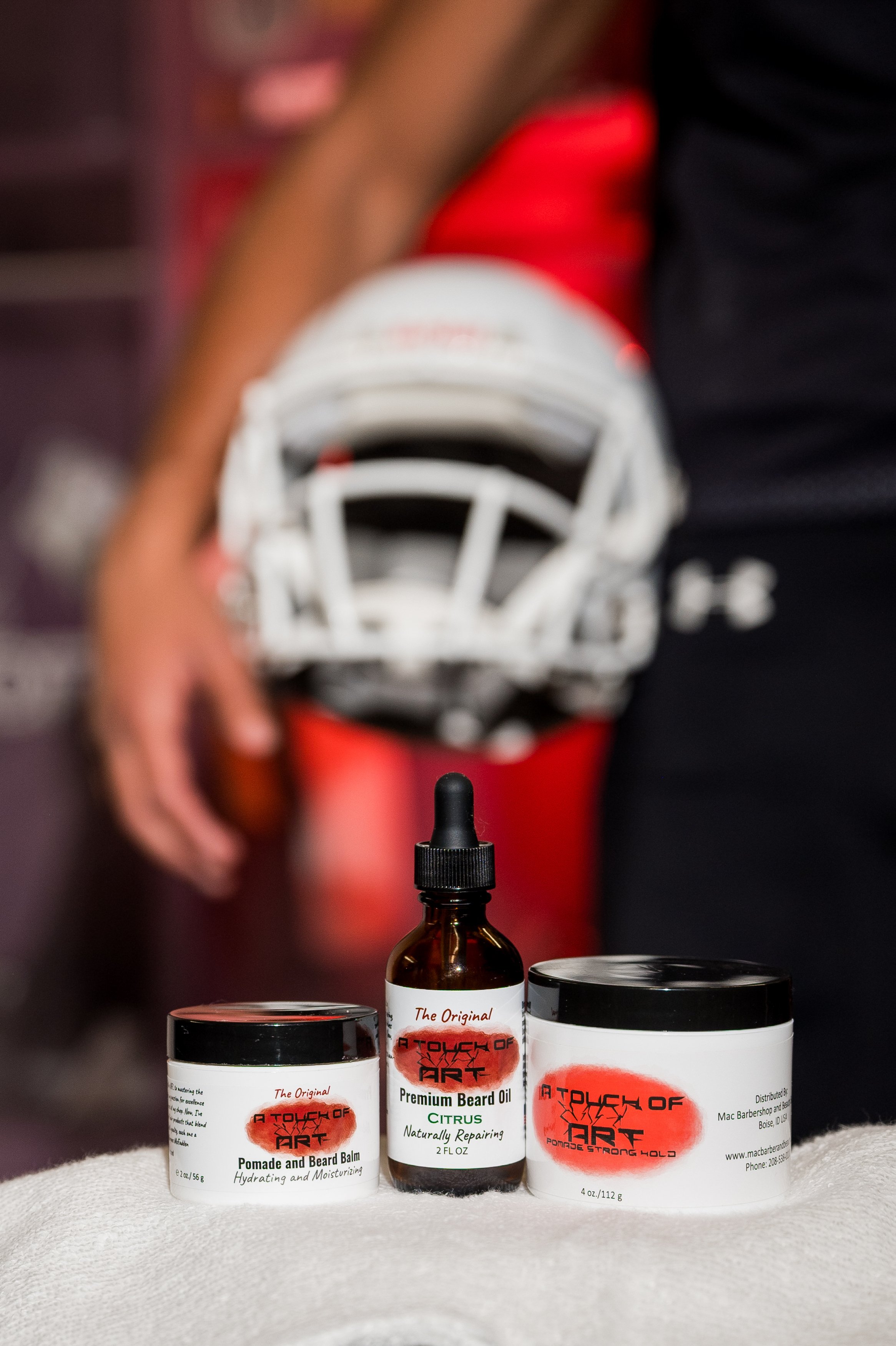
Labels serve as the silent salespeople on your shelf or in your shipment packaging. For photographers delivering prints or brands showcasing products on social media, a label’s visual appeal and informational clarity can dictate the product’s perceived quality. Effective labeling strategies go beyond mere identification; they instantly communicate your brand's story and value proposition.
The Psychology of Visual Merchandising
Visual cues heavily influence consumer decision-making. A well-designed label acts as a visual anchor, drawing the eye and conveying professionalism. For small businesses and photographers, this means investing in high-quality materials and typography that reflect their brand identities.
When a customer picks up a product, the label is often the first place they look for validation. Does the product feel premium? Is the information clear? By utilizing colors that evoke specific emotions and textures that imply quality (such as matte finishes or embossing), you can subtly influence your customers’ perception of value. This psychological priming is essential for justifying price points and differentiating your merchandise from that of your competitors.
Strategic Information Placement
Clarity is king in retail. A confused customer is a customer who doesn’t buy. Your labels must prioritize essential information while maintaining aesthetic appeal. Key details—such as price, size, ingredients, or care instructions—should be legible and easy to locate.
Strategic labeling also involves highlighting unique selling points (USPs). Use labels to call out specific benefits, such as "handmade," "eco-friendly," or "limited-edition." These descriptors act as immediate value-adds. For photographers, for instance, a label on a photo package that reads "archival quality prints" reassures the client of the product's longevity.
Enhancing Brand Consistency
Consistency across all customer touchpoints builds trust. Your labels should be seamless extensions of your overall branding strategy. The visual language should remain uniform across your website and social media feeds.
Understanding the importance of labeling in the retail industry is fundamental to maintaining this consistency. Labels that align with your digital presence reinforce brand recognition. When a customer sees a product in-store that matches the aesthetic they saw on your Instagram, this creates a cohesive brand experience that fosters loyalty.
Leveraging Labels for Promotions
Labels are also dynamic tools for short-term sales strategies. Temporary labels can highlight seasonal promotions, clearance items, or new arrivals without requiring a complete packaging redesign.
"Bestseller" or "staff pick" stickers can guide indecisive shoppers toward popular items, leveraging social proof to close the sale. By learning how to use labels to boost retail sales through targeted promotional messaging, businesses can effectively manage inventory turnover and highlight high-margin products.
Labels are multifaceted components of retail success. By combining psychological design elements, strategic information hierarchy, and consistent branding, small businesses can turn humble labels into significant drivers of revenue.