
Turning Branded Content Into In-Person Marketing
You’ve invested time in creating branded photos and social content, but those assets don’t have to live entirely on a screen. Turning your branded content into in-person marketing opportunities gives you another way to get more value from the visuals you have already worked hard to create. The key is choosing content that still communicates clearly when someone encounters it in a physical space.
When you make that transition thoughtfully, your online presence and real-world marketing can support the same brand identity. Instead of treating each channel as a separate project, you can create a stronger connection between what followers see online and what customers encounter in person.
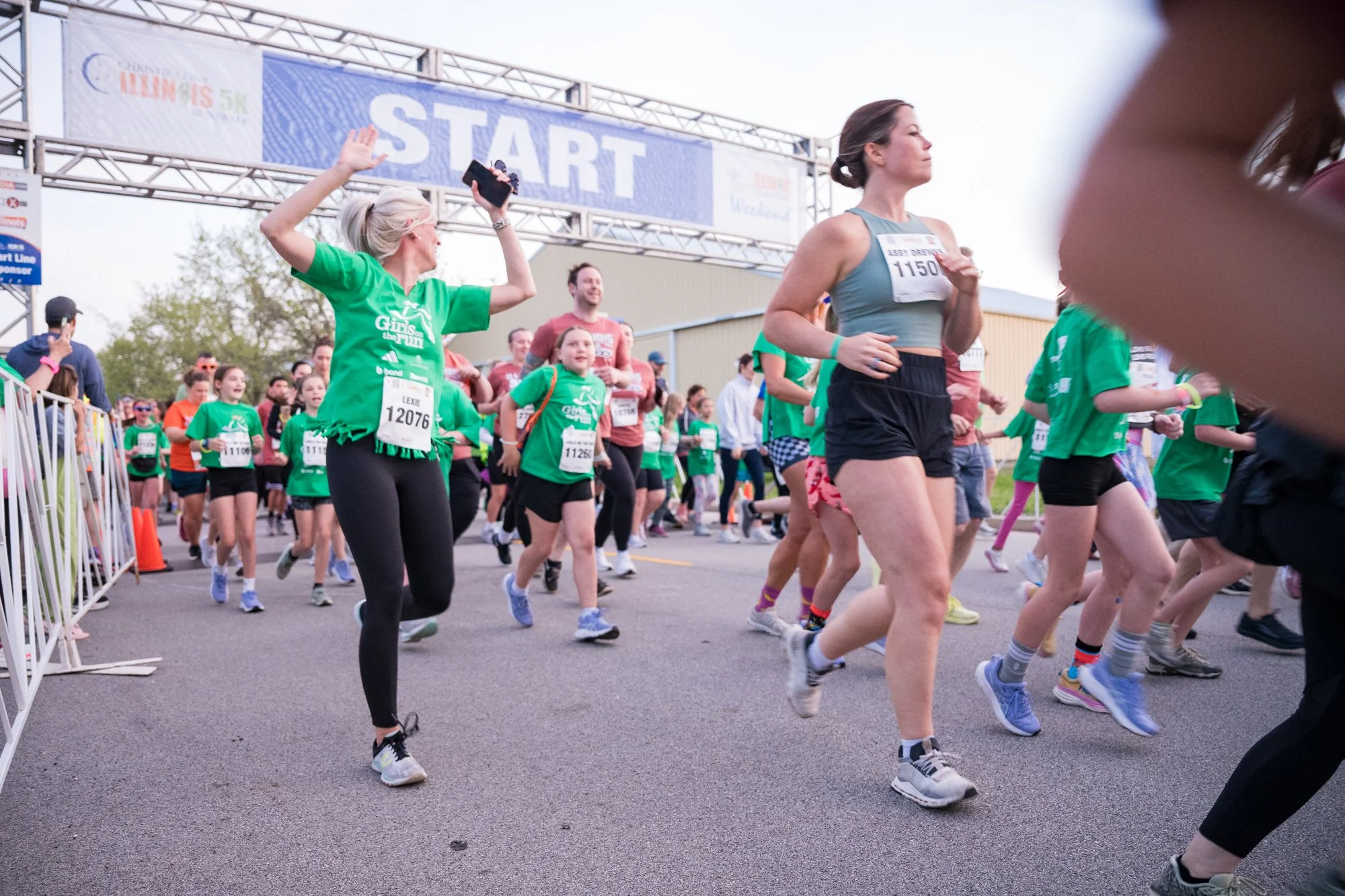
Look Beyond the Social Feed
Social media moves quickly, which means strong branded content can disappear within days. You may spend hours planning a shoot only to use a favorite image for a handful of posts. Taking that image beyond social media can extend its useful life.
Think about which images represent your business without requiring a caption for context. A strong portrait might work well at a speaking event, while a clear product image could make sense within a promotional display. You’re looking for visuals that can communicate something valuable when they stand on their own.
Choose Images With Staying Power
You don’t need to bring every successful social post into the physical world. Instead, focus on branded images that represent an idea you expect to keep using.
A photograph tied to a one-week promotion has a short lifespan. An image that communicates your brand personality can support marketing for much longer. When you plan a brand session, consider capturing some images with this broader use in mind.

Adapt Content for Physical Spaces
An image that works beautifully on a phone screen won’t automatically work at a larger scale. Once you move into physical marketing, viewers may encounter your content from across a room rather than inches from a screen.
Give the main visual enough space to make an immediate impression. You’ll also want to reconsider text that originally accompanied the image online. Long captions usually won’t translate well, so the physical version should communicate its message without asking someone to stop and read extensively.
You can ask a few questions as you evaluate an existing asset, such as:
Does the image remain clear at the intended size?
Can someone understand the message quickly?
Does the design still match your current branding?
Will the visual make sense without social context?
These questions can help you identify content that deserves another life beyond your feed.

Maintain Visual Brand Recognition
Your audience builds familiarity through repetition. When someone follows your business online and later encounters it at an event, familiar imagery can help connect those experiences.
That doesn’t mean every marketing piece needs to look identical; you can carry recognizable visual qualities into a new setting while adapting the design to its surroundings. If your photography has a distinctive visual direction, preserving that character can make physical marketing look connected to the brand people already know.
Give Photography More Purpose
For photographers, this approach can also influence conversations with clients during planning. A client may initially think about Instagram or a website when discussing where photos will appear. Asking about upcoming events or printed marketing can reveal additional needs.
That context can affect composition during the shoot. If you know a client may use an image on a tall display, you can account for the space a designer may need later. You’re helping the client create a more versatile image library rather than producing content for one immediate purpose.
Build Displays Around Context
Once you know which content you want to use, consider where people will encounter it. A display at a busy trade show needs to communicate differently than a branded backdrop at a smaller networking event.
Viewing distance matters because people often see event marketing while moving through a space. You need a clear focal point that gives them a reason to look closer. Supporting copy can provide more context once you’ve earned their attention.
The physical setup deserves consideration as well. If you expect to reuse or replace graphics, understanding your options for retractable banner hardware and utility supports can help you think through the practical side of maintaining an event display. A polished graphic works best when the surrounding presentation supports the visual rather than distracting from it.
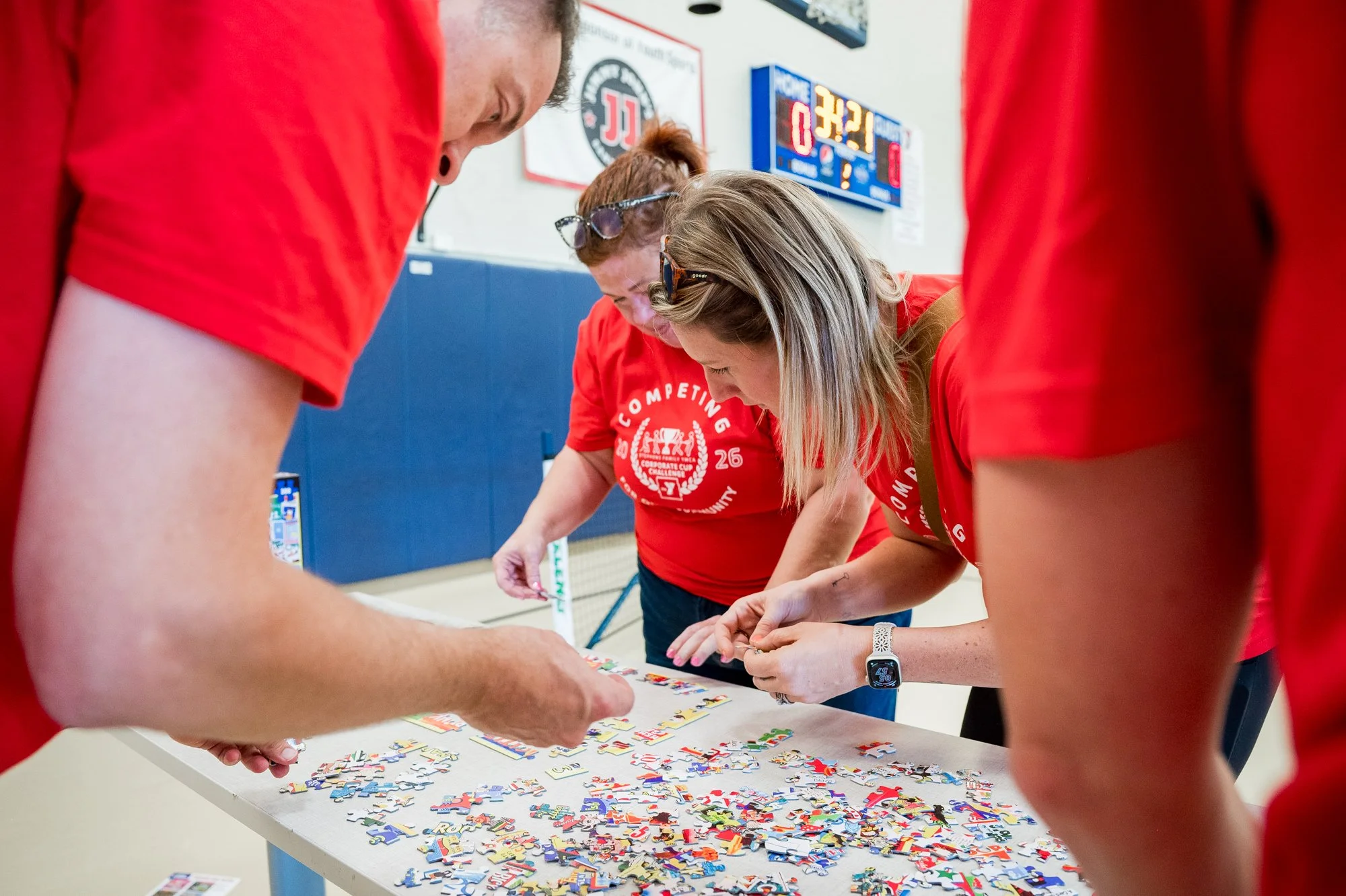
Connect Events With Digital Content
In-person marketing doesn’t need to compete with your digital presence. You can use an event as another setting where your audience encounters the same brand story.
Consider what happens when someone sees your display and later visits your social profile. If the visual direction changes dramatically between those experiences, the connection may weaken. When the imagery carries through, you give that person another recognizable point of contact.
This consistency also makes post-event content easier to create. Photos from the event can return to your social channels, where they show your brand operating in a real-world setting. Your physical marketing becomes part of the content cycle instead of sitting outside it.
Get More From Each Shoot
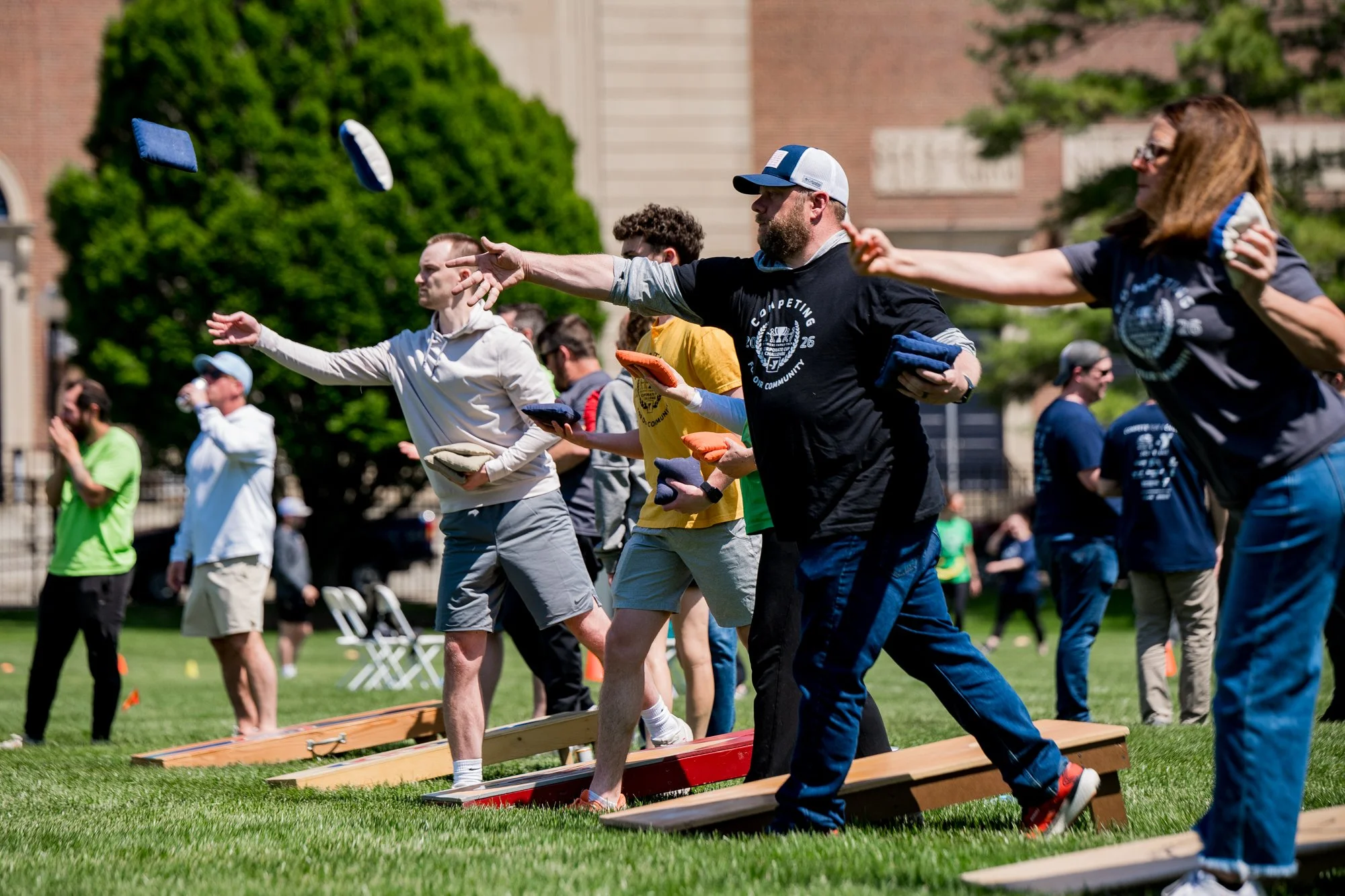
A brand photography session is more valuable when you think beyond one publishing schedule. Instead of planning exclusively around next month’s social posts, consider the situations where your business might need visual materials later.
That perspective doesn’t require you to predict every future campaign; you’re simply giving yourself more flexibility. When you capture adaptable images, you have stronger options when an event opportunity comes up, or your business needs a new physical display.
For photographers, that flexibility can become part of the value you provide. You can encourage clients to discuss future marketing plans early enough to account for them during creative planning.
Turning branded content into in-person marketing isn’t about putting every Instagram image on a banner; it’s about recognizing that strong photography can keep supporting your business after its original digital purpose has passed.
Look at your existing image library with a wider lens. You may already have visuals that could strengthen an upcoming event or give customers a more recognizable experience when they encounter your business offline. When your next brand shoot arrives, plan with those possibilities in mind so each image has room to work beyond the screen.