
Small Details That Change a Product Photo
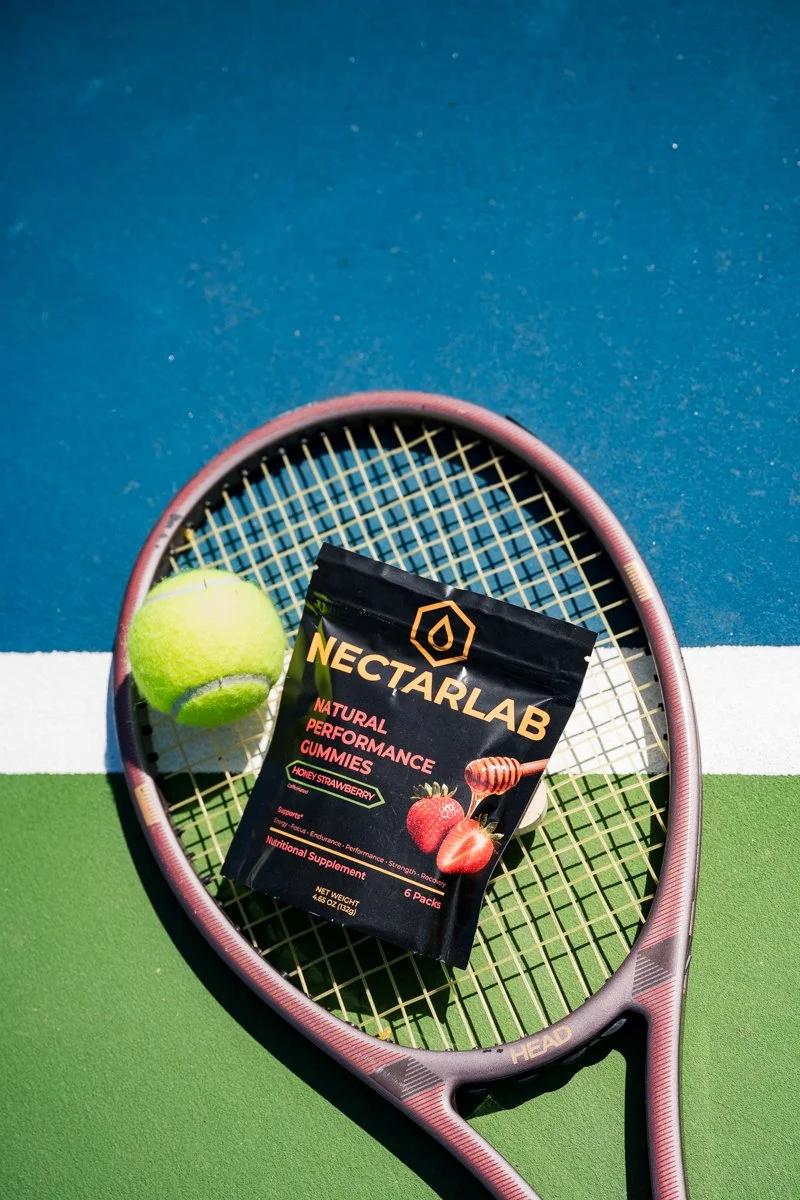
A product photo has only a few seconds to make an item look worth the price on the screen. The polish usually comes from small details that change a product photo, not from making the setup look overly styled or expensive. A shadow that lands cleanly or a surface that matches the brand can make the difference between a listing that looks rushed and one that looks ready to sell.
The Surface Sets the First Impression
A product placed on the wrong surface sends a mixed message before the item stands on its own. Matte surfaces reduce glare and work well for products with shine, whereas subtle texture adds depth. The surface should support the product’s price point, not compete with its design. When the background looks intentional, the item is easier to understand.
Lighting Shapes the Product’s True Character
Lighting affects color accuracy and the amount of detail visible in a product image. A soft light source reduces harsh shadows, which helps shoppers see the shape without distraction. However, a product with raised features needs enough directional light to show dimension. Clean lighting creates a photo that looks finished rather than corrected after the fact.
Scale Helps Shoppers Understand Size
Scale is one of the quietest details in e-commerce photography, yet it changes how shoppers judge usefulness. A close crop might make a compact item appear larger than expected, while too much space might make it seem insignificant. When scale is handled carefully, the product’s proportions are clearer without a cluttered setup. One supporting object, when chosen with restraint, conveys a sense of size naturally.

Styling Should Match the Product’s Purpose
Styling works best when it supports the product’s intended use instead of turning the photo into a scene. A handmade item might need warmth in the setup, and a technical product benefits from a cleaner presentation. Small styling decisions, such as choosing polyester or satin ribbon for your project, change how texture and occasion come through in the image. The goal is context that makes the product easier to evaluate.
Color Balance Protects Product Accuracy
Color shifts create problems when the photo looks better than the product in real life. Whites that lean too blue or shadows that dull a finish weaken buyer confidence. Accurate color balance reduces returns because shoppers receive something close to what they expected. For brands with repeat customers, consistency across product photos strengthens recognition from one listing to the next.

Cropping Controls Focus and Perceived Quality
Cropping decides where the eye lands first and how much visual breathing room the product receives. A tight crop works for detail shots, but the main image needs enough space to clearly show the full form. Uneven margins or awkward angles make a product look less refined, even when the item itself is well-made. Strong cropping creates order, which ensures the photo looks deliberate on a crowded product page.
A product image should make the item look considered before a shopper reads a single detail. The value of small details that change a product photo is that they make the product more accurate and ready for purchase. When the visual choices are intentional, the listing gains the kind of quiet confidence that supports a stronger sale.
Are you ready to take your product photos to the next level with professional photography, staging, and lighting? Click here to get started!