
Small Office Amenities That Make a Big Impression
A small office does not need an elaborate renovation or a long list of expensive perks to feel polished and welcoming. Often, the details people encounter throughout an ordinary workday have a greater effect on their experience than amenities that look impressive but rarely get used.
For small business owners, that makes thoughtful workplace improvements particularly valuable. The right small office amenities can make a big impression by supporting employees, helping visitors feel welcome, and reinforcing the idea that a business pays attention to the people who spend time in its space.
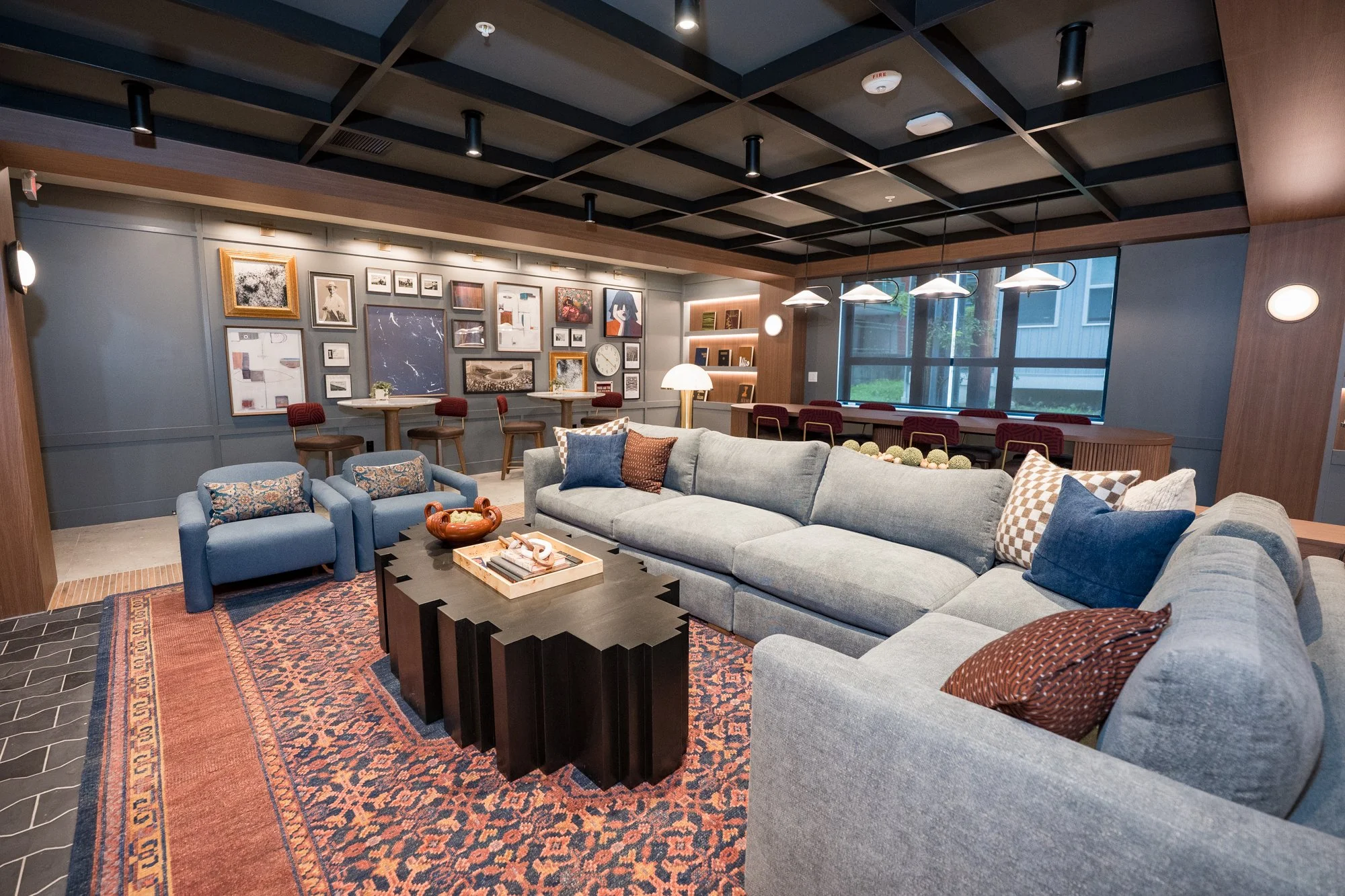
An Easy-To-Use Beverage Station
Offering employees and visitors something to drink is a simple form of hospitality. Rather than relying on an assortment of disposable bottles or expecting everyone to bring their own beverages, businesses can create a designated station with drinking water, coffee, tea, cups, and basic supplies.
Convenience is what makes this amenity useful. Employees should not have to leave the building whenever they want a refill, and someone arriving for a meeting can easily be offered a drink. Even something as familiar asadding a water cooler to the office contributes to the everyday workplace experience by creating a convenient shared area where employees can briefly step away from their desks and interact with colleagues.
Keep the station organized, regularly stocked, and appropriate for the size of the team. A compact setup that works consistently is more valuable than an elaborate one that becomes difficult to maintain.
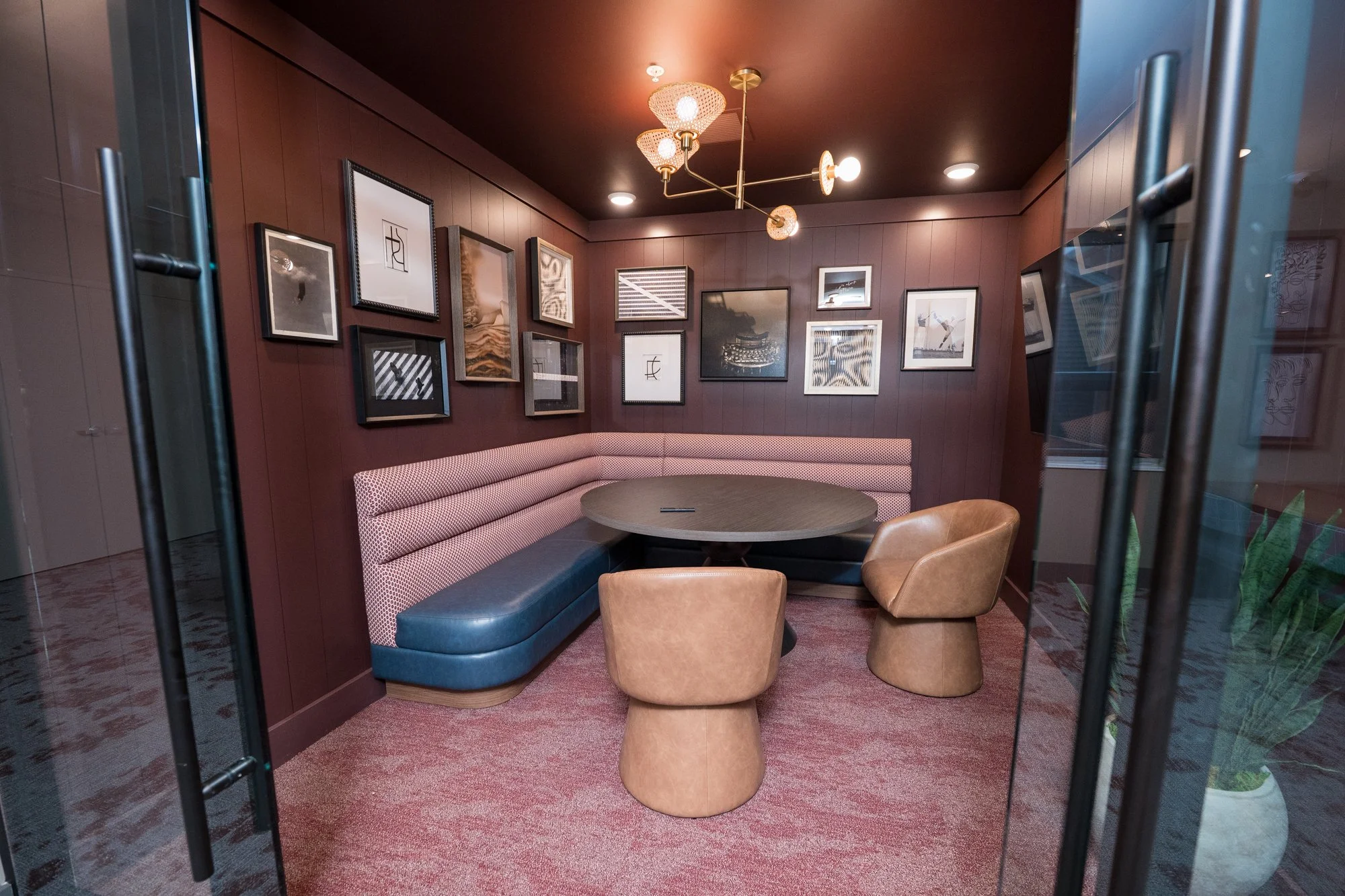
Comfortable Seating Beyond Desk Chairs
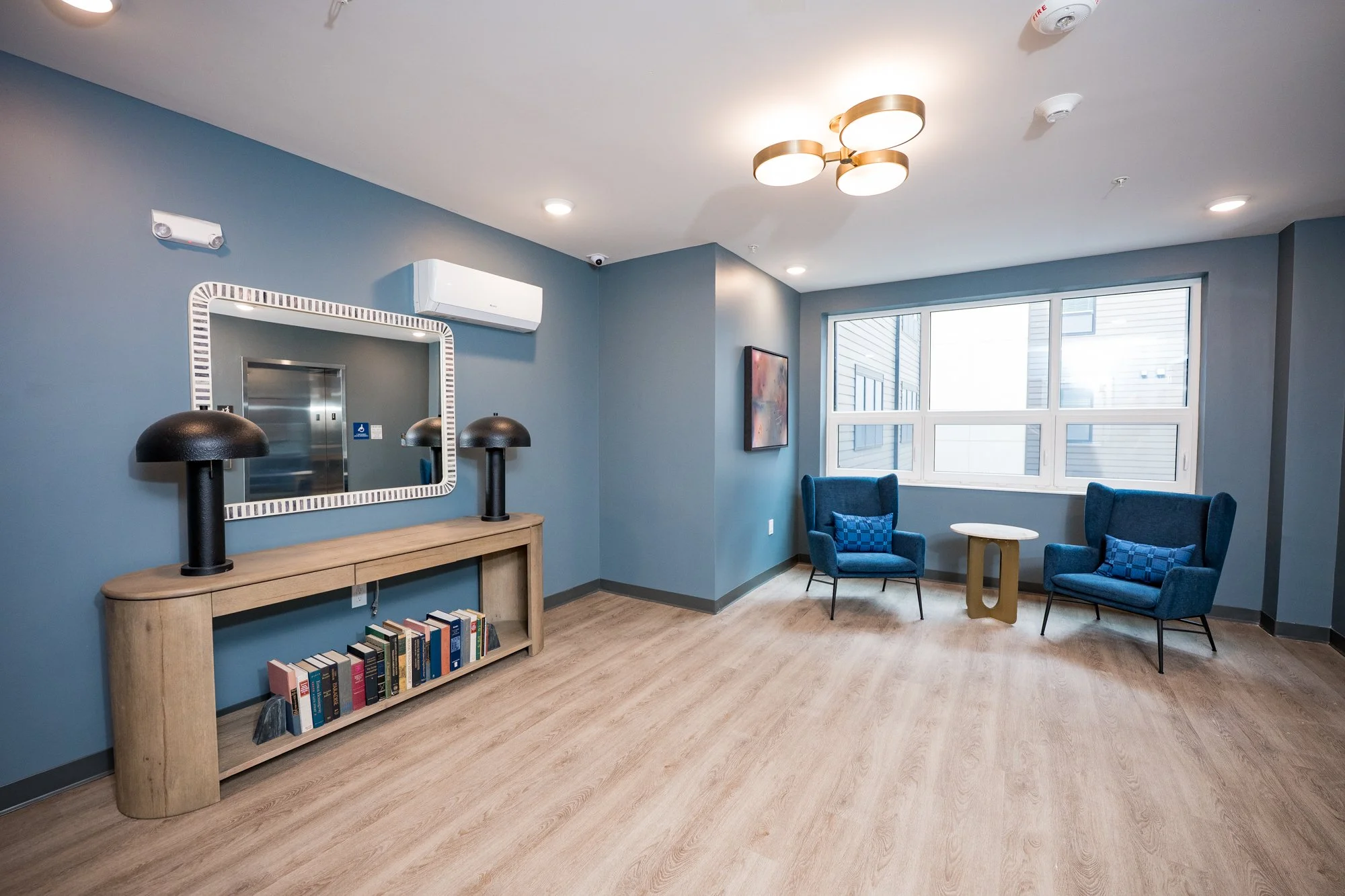
Desk chairs are essential, but they do not need to be the only seating available. A couple of comfortable chairs in a reception area, break space, or informal meeting corner make a small office noticeably more versatile.
Visitors have somewhere comfortable to wait, while employees gain an alternative setting for short conversations or breaks. Businesses with limited square footage can choose compact seating or furniture that serves more than one purpose.
Comfort matters, but so does appearance. Furniture should fit the overall character of the business and be easy to keep clean. A few coordinated pieces make an office feel intentional without requiring a complete redesign.
Convenient Charging Options
Phones, tablets, laptops, and other devices are part of everyday business life. Accessible charging options are a small amenity that employees and guests may appreciate frequently.
Consider placing charging points in meeting rooms, common areas, or reception spaces rather than requiring people to search behind furniture for an available outlet. A neatly arranged charging station works well when wall outlets are limited.
Cable management is equally important, as loose cords can make even a well-designed workspace appear cluttered. Keeping charging areas tidy preserves the professional appearance of the office while making the amenity easier to use.
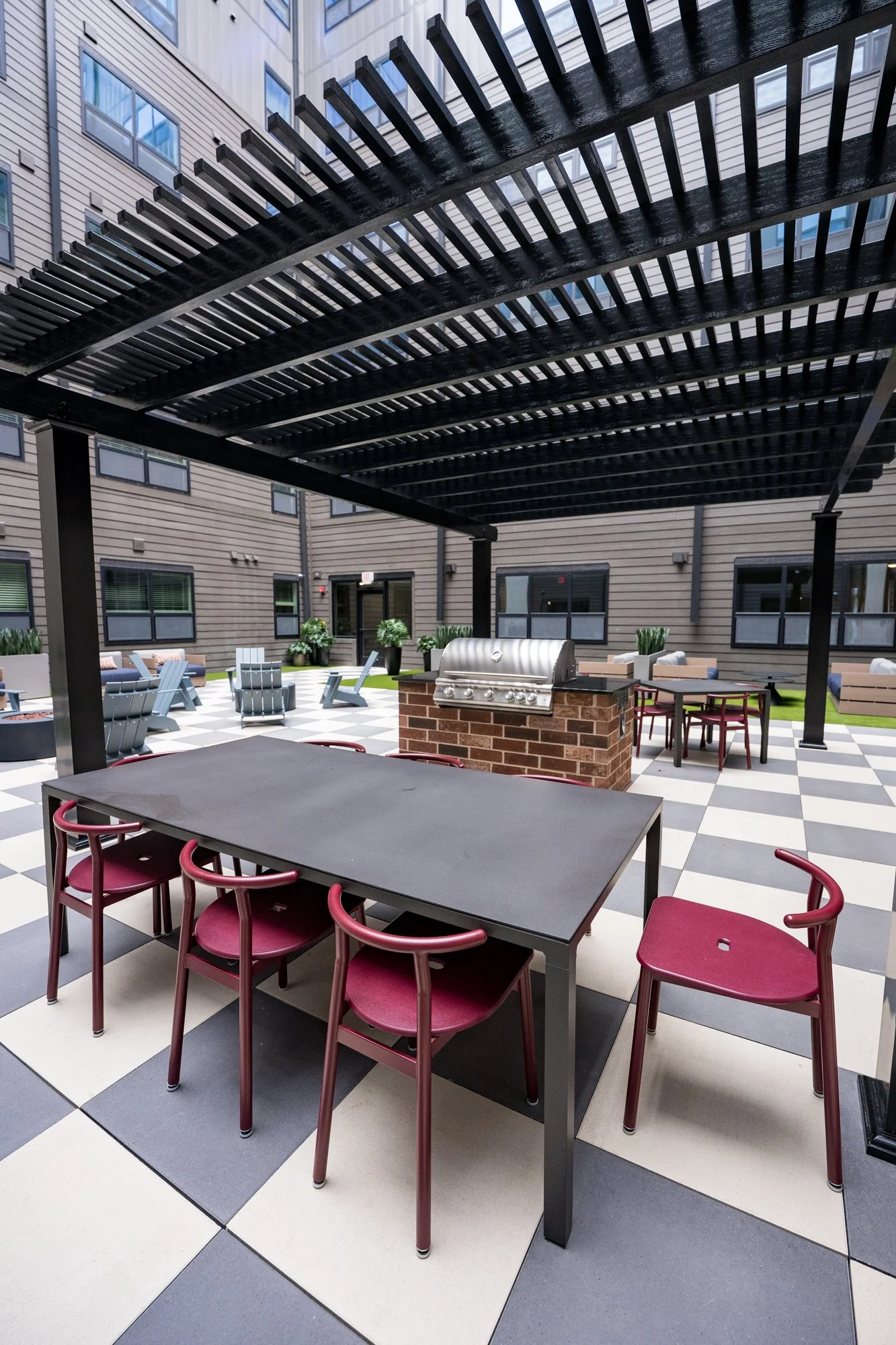
A Clean and Organized Break Area
Small businesses may not have room for a large employee lounge, but almost any office can establish a defined place for breaks. A table, a few chairs, and basic kitchen conveniences can be enough.
The goal is to provide a space where employees move away from their workstations for a few minutes. Eating lunch at a desk every day can make the workday feel more monotonous, particularly in compact offices where there is already little physical separation between different activities.
The condition of the space matters as much as its size. Clear counters, adequate waste and recycling bins, and regularly replenished supplies make a modest break area feel much more inviting.
Thoughtful Lighting
Lighting influences the usefulness and atmosphere of an office. Harsh overhead lighting can make a space feel institutional, while insufficient lighting can make detailed work unnecessarily difficult.
Natural light is worth taking advantage of when available. Avoid blocking windows with oversized furniture, storage units, or decorations. In darker areas, task lamps or softer supplemental lighting make individual workspaces and common areas more comfortable.
Small adjustments also help a workplace appear more polished during client meetings, video calls, and other professional interactions. Lighting does not need to become a major design project; it simply needs to suit how each area is used.
Practical Storage That Reduces Visual Clutter
Storage may not sound like an amenity, but it affects how people experience an office every day. Supplies stacked on tables, overflowing shelves, and boxes left in walkways quickly make a small space feel even smaller.
Closed cabinets, labeled containers, wall-mounted shelving, and designated supply areas reduce that visual noise. Frequently used items should remain accessible, while less commonly needed materials can be stored out of sight.
An organized office makes routine work more efficient. Employees spend less time searching for supplies, and common areas remain available for their intended purposes.
A Few Well-Chosen Personal Touches
Professional does not have to mean impersonal. Plants, artwork, branded accents, or locally relevant decor can give an office character without overwhelming the space.
The key is restraint. Too many decorative elements create clutter, particularly in a small workplace. Instead, choose a few pieces that complement the business and the atmosphere it wants to create.
These details allow a business to maintain a consistent identity. The physical workplace is one of many places where customers, employees, vendors, and partners form impressions of an organization. A space that feels cared for quietly reinforces the same attention to detail a business wants associated with its work.
Everyday Supplies People Actually Need
Some of the most appreciated workplace additions are remarkably ordinary. Tissues, hand sanitizer, basic first-aid supplies, umbrellas for unexpected weather, cleaning wipes, and commonly needed office supplies save employees and visitors from minor inconveniences.
The challenge is not simply buying these items but keeping them available. Assigning responsibility for checking shared supplies prevents an amenity from turning into an empty container or cabinet.
Small businesses can also ask employees which everyday items would make the office more functional. Their answers may reveal inexpensive improvements that management would not otherwise consider.
A Focus on Usefulness Rather Than Size
When considering small office amenities that make a big impression, start with the everyday experience. Consider what employees repeatedly leave the office to get, where visitors tend to wait, which shared areas become cluttered, and what minor frustrations occur regularly. Those observations point toward improvements that are more meaningful than amenities selected primarily for appearance.
A welcoming workplace is usually the result of many practical decisions rather than one dramatic upgrade. Comfortable seating, accessible drinks, useful supplies, thoughtful lighting, and organized common spaces may seem minor individually. Together, they help a small business create an office that feels considered, functional, and ready to welcome people.